Protect Scotland’s inshore seas
A youth-led campaign
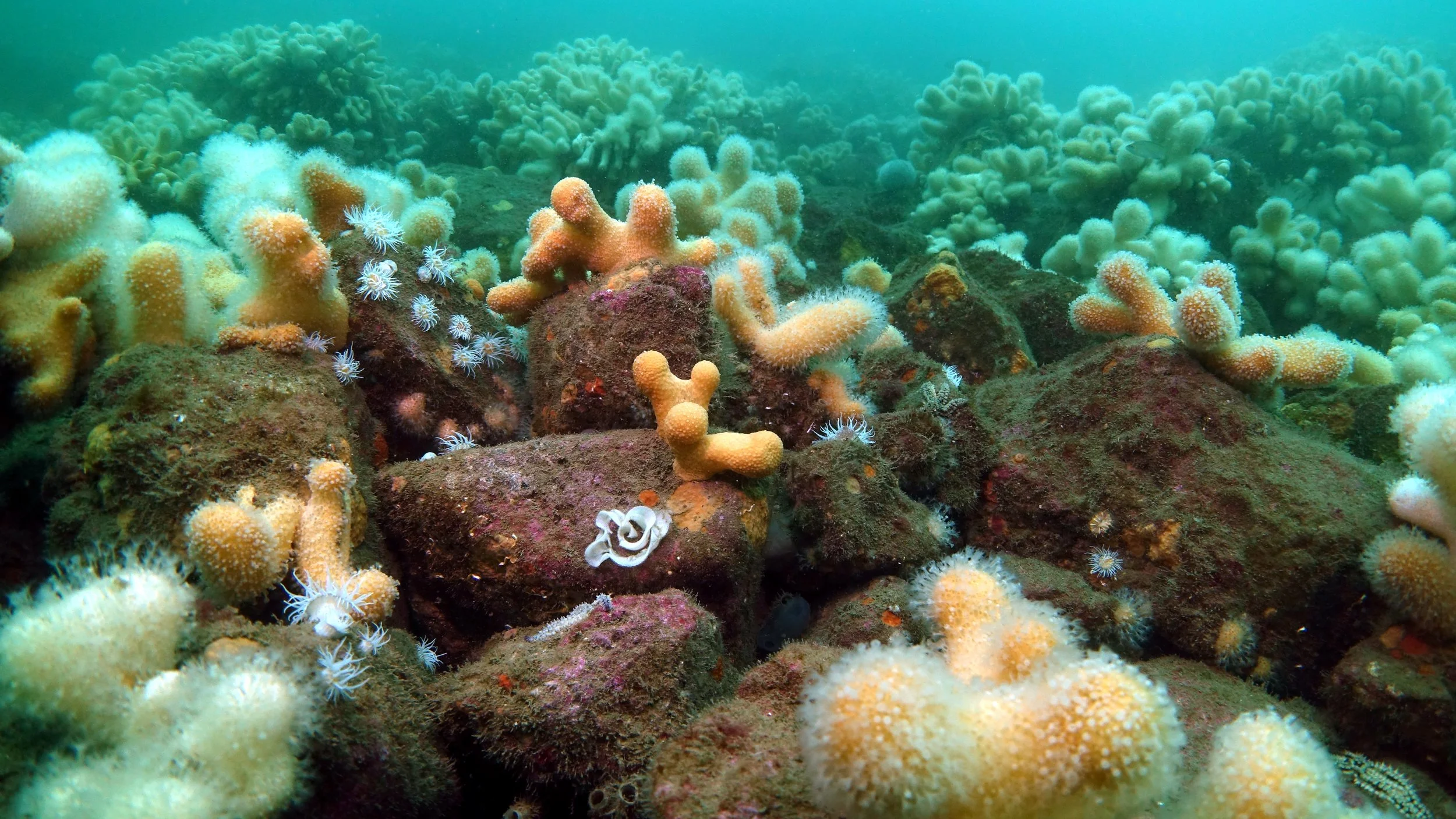
Photographer Howard Wood
After more than a decade of waiting, the Scottish Government's consultation on stronger protections for Scotland's seas is now live and young people have an opportunity to help shape what happens next.
Marine Protected Areas (MPAs) can play an important role in protecting our seas, but simply designating an area as an MPA isn't enough. They need effective management measures to protect wildlife and habitats from damaging activities. The consultation also considers protections for sensitive marine habitats and species outside MPAs, known as Priority Marine Features (PMFs).
You don't need to be a marine expert to have your say, as we'll give you the information and resources you need to get involved.
On this page, you can find out what Marine Protected Areas are, why they are so important for both Scotland's seas and young people, what's being proposed in the consultation, and how you can respond.
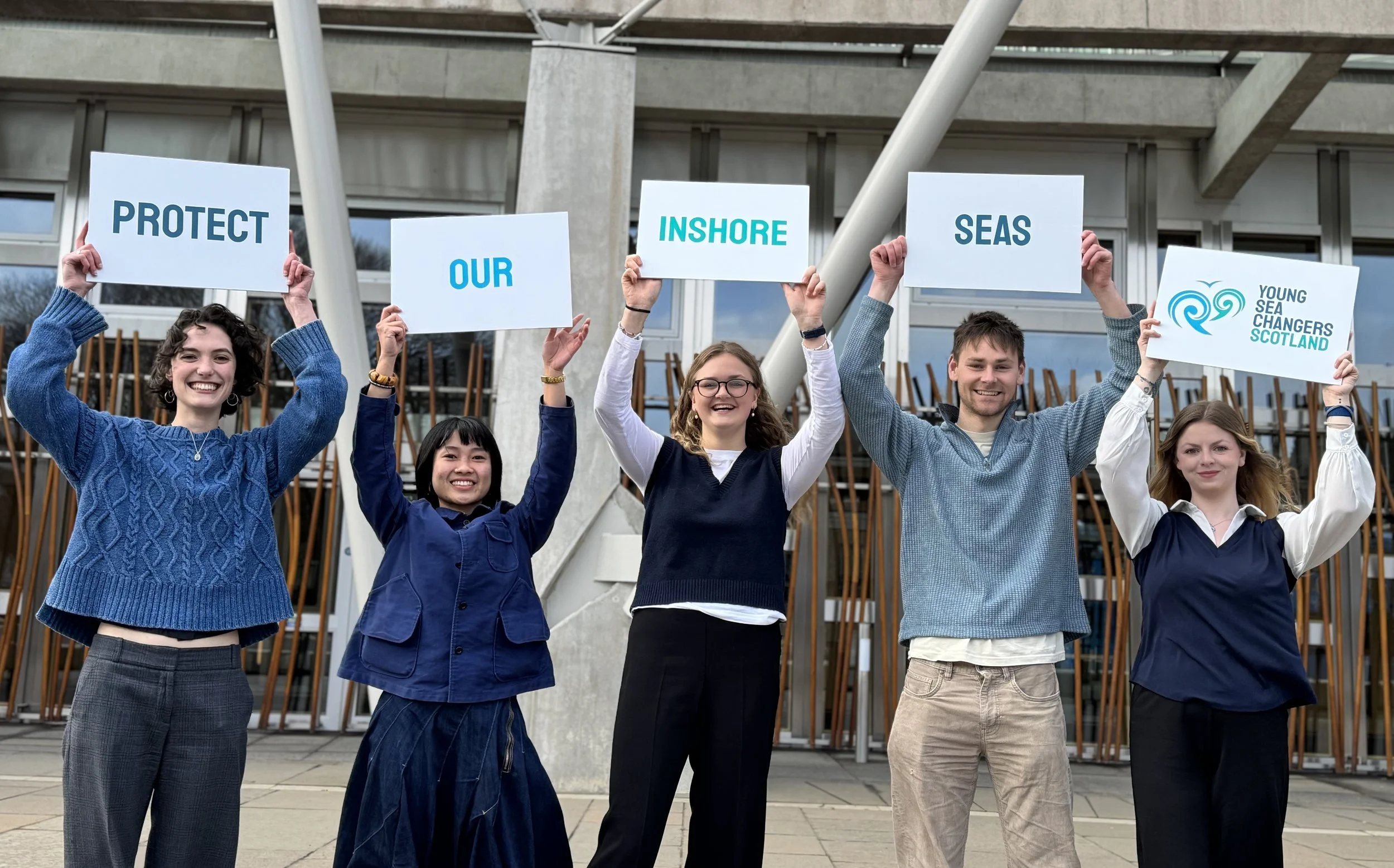

Have your say
The Scottish Government has launched an online public consultation seeking views on fisheries management measures to protect inshore MPAs and PMFs.

What does the consultation involve?
This consultation is seeking views on proposed fisheries management measures for 76 inshore Marine Protected Areas (MPAs) and 90 Priority Marine Feature (PMF) management areas. The proposals would restrict or ban certain types of fishing, such as bottom trawling and scallop dredging, to allow marine habitats and wildlife to recover. Read more about the proposed management measures on NatureScot’s website.
Marine Directorate are also hosting a number of drop-in events across Scotland, both in-person and online.
Why is the consultation important?
This consultation is a pivotal, once-in-a-generation opportunity to reshape how Scotland manages its seas. In the past, public responses have had a massive impact on marine policy – including the decisions around Highly Protected Marine Areas (HPMAs), where public outcry led to the proposals being scrapped. The Marine Directorate aims to listen closely to the views of the public, and the voices they hear will directly influence how effectively Scotland’s seas are protected going forward. That’s why it’s vital that young people, coastal communities, and anyone with a stake in the future of our oceans engage now. This moment will define Scotland’s marine environment for decades.
How can you respond?
This is your chance to influence a national decision. The consultation is open to everyone, including young people and your response can help shape how MPAs work for decades. You don’t need to be an expert. You just need to care. Over the coming weeks and months, we’ll provide guidance to help you respond in a way that feels confident and meaningful.
Your voice matters more than you think. Together we can call for healthier seas. This is our moment. Let’s take it.
Helpful Resources
-
![]()
Learn the Lingo
We know that marine policy can often use unnecessarily complicated, confusing and inaccessible language, making it harder for young people (and anyone who’s not a policy whizz!) to engage with it.
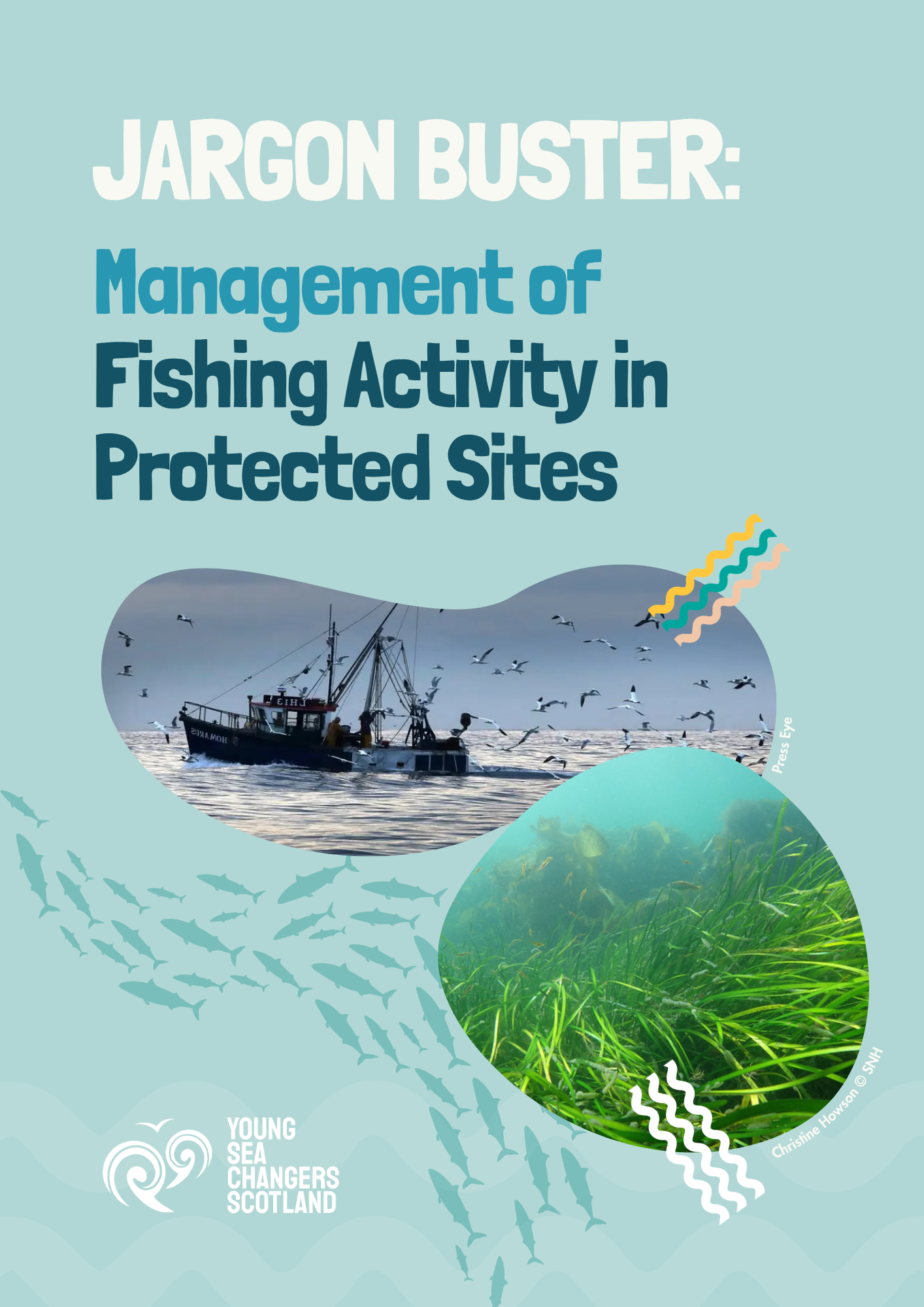
We teamed up with NatureScot to produce a Jargon Buster specifically designed to get you up to speed with all the essential language, terms and acronyms you might need for the upcoming consultation.
You can read our online version here or download a PDF version suitable for printing.
-
![]()
Consultation walkthrough
Marine Directorate have put together a video walkthrough that talks you through the consultation, what it looks like and gives instructions on how to respond, and is a really helpful starting point to wrap your head around the online platform.
It talks you through the options to respond either by commenting on specific sites, or by specific gear types, as well as a demonstration of how to use the interactive map tool.
-
![]()
Consultation Toolkit
If you’d like some general background information on consultations, check out our Consultation Toolkit!
Consultations are a key tool for advocating for change, giving citizens a platform to voice opinions and influence decisions. This toolkit is designed to guide you through the consultation process, helping you respond effectively and make your voice heard on decisions that matter.
What are MPAs?
A Marine Protected Area (MPA) is a bit like a nature reserve under the sea.
It is a clearly defined area of ocean or coastal waters set aside to protect important habitats, species, or other ecological features (and sometimes even historical sites).
MPAs can cover many different environments, from shallow coastal seabeds, seagrass meadows, and kelp forests to offshore reefs and deep-sea mud.
Depending on the type of designation, some MPAs only restrict the most damaging activities, such as certain types of fishing or seabed disturbance. Others have much stronger protections, and a small number are fully protected “no-take” zones, where all fishing or extraction is prohibited (such as Lamlash Bay in the South Arran MPA).
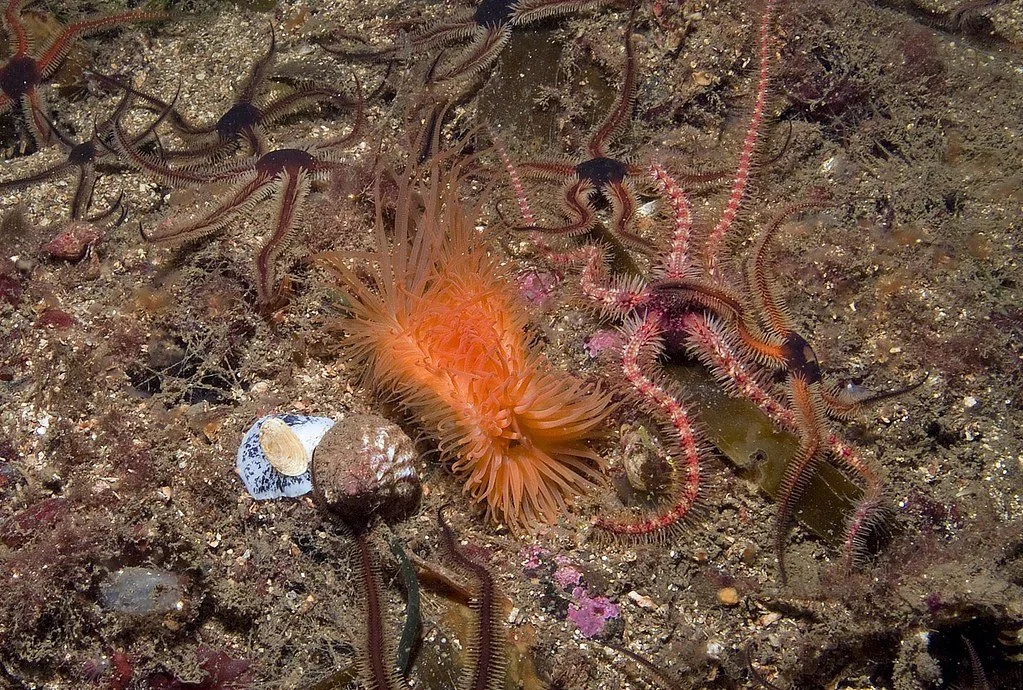
Flame shell bed in Loch Carron MPA. Photographer: Graham Saunders
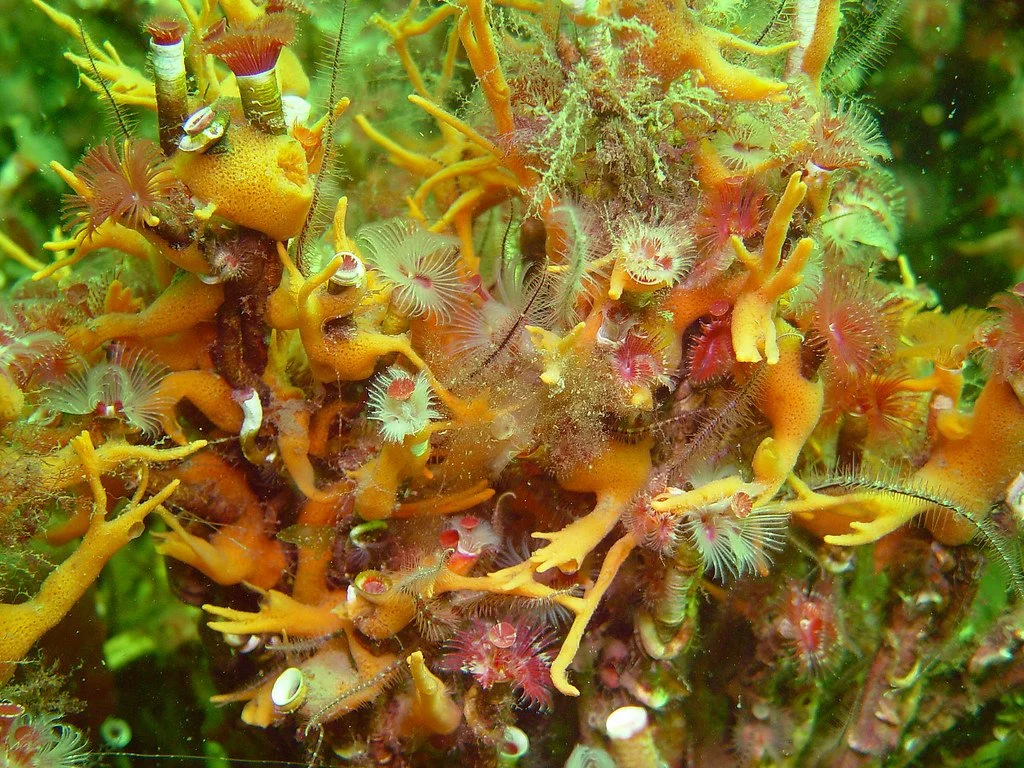
Serpulid reef in Loch Creran MPA. Photographer: Graham Saunders
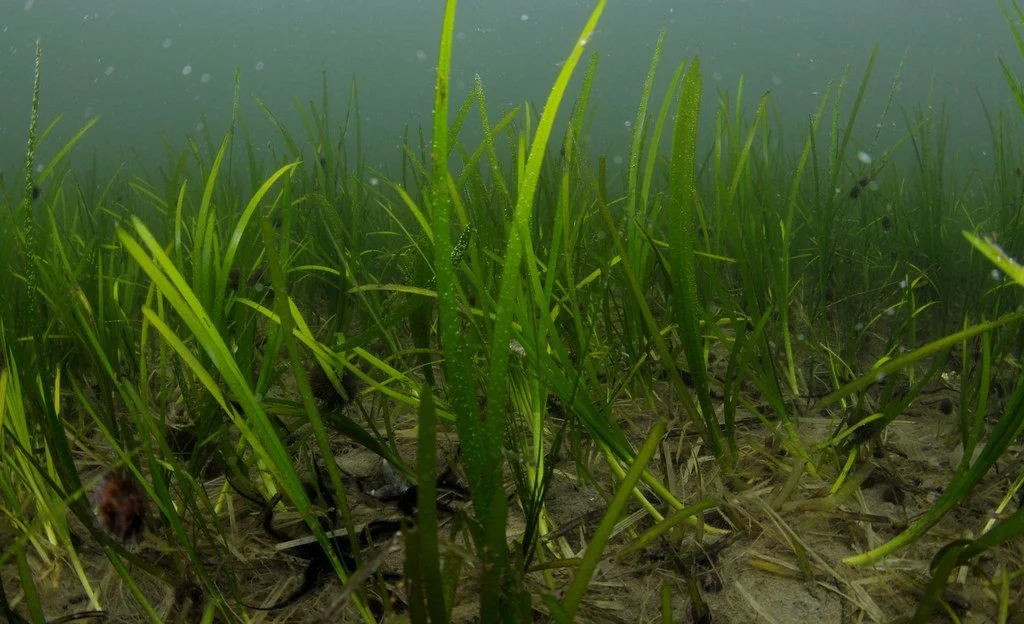
Seagrass bed in Loch Sween MPA. Photographer: Ben James
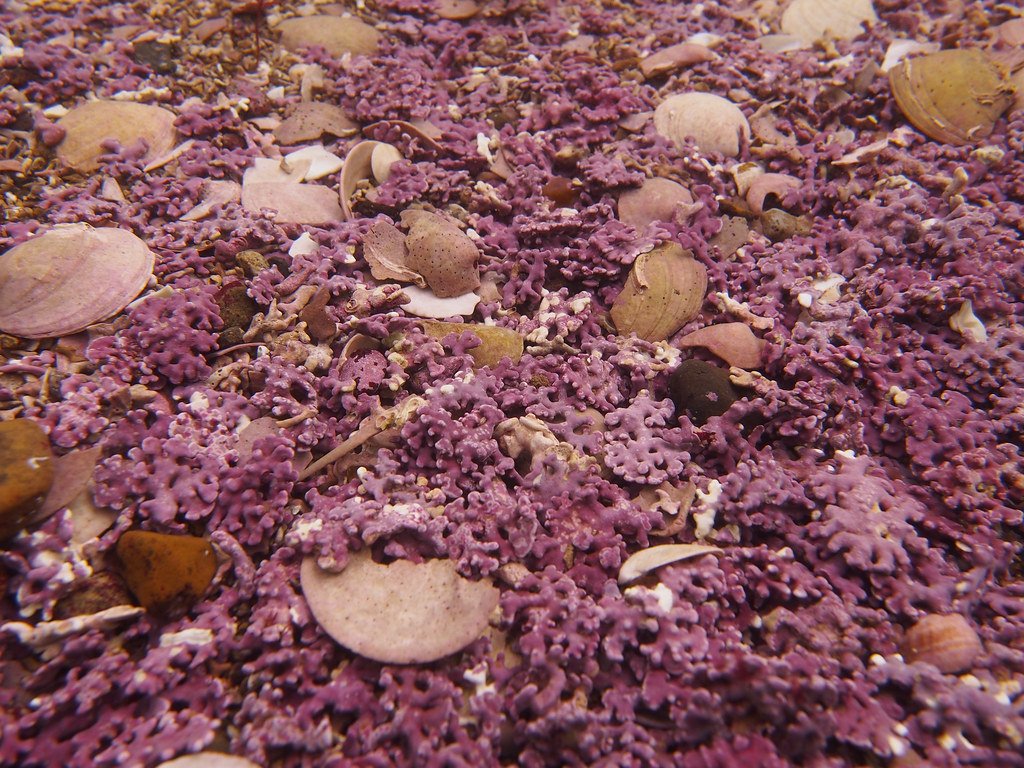
Maerl bed in South Arran MPA. Photographer: Lisa Kamphausen
Why are MPAs so important?
-
Our seas are home to extraordinary habitats – from kelp forests and seagrass meadows to deep-water reefs and sandy coastal bays. These places support thousands of species and keep the whole ecosystem in balance. But Scotland, like the rest of the world, is facing a biodiversity crisis. Protecting key areas of the ocean through MPAs gives nature the breathing space it needs to recover if damaged and protects healthy habitats from potential harm. Healthy marine ecosystems are also much more resilient to climate change, helping buffer our coasts against storm surges and extreme weather, store carbon, and maintain the natural processes we rely on.
Many marine species depend on specific areas – such as seagrass meadows, shallow coastal waters and sheltered seabeds – as nursery grounds where young fish can grow and develop safely. MPAs help protect these vital habitats from disturbance, giving juvenile fish a much higher chance of survival. This has a powerful ripple effect. When more young fish survive to adulthood, populations become healthier and more stable over time. In turn, this supports the wider food web, creating stronger ecosystems that can sustain a rich diversity of life. Healthy fish populations also support some of Scotland's most iconic marine wildlife, including seabirds, whales and dolphins, all of which rely on abundant prey. By protecting nursery grounds, MPAs don't just benefit individual species – they help rebuild entire ecosystems, making our seas more productive, resilient and alive.
-
Evidence from around the world shows that, over time, well-managed MPAs can support healthier fish stocks, more sustainable fisheries and stronger coastal economies. In Scotland, studies from the Lamlash Bay No-Take Zone and the wider South Arran MPA have shown increases in the size and abundance of commercially important species such as lobster and scallops, demonstrating how protecting marine habitats can benefit both nature and people. By protecting the building blocks of the sea, including nursery grounds, spawning areas, and feeding habitats, MPAs help support sustainable livelihoods for future generations.
-
Seas with richer wildlife don’t just look healthier; they are healthier. That brings benefits to communities that depend on them, whether through small-scale fishing, tourism, recreation, or coastal well-being. Studies carried out for the Scottish Government show that well-managed MPAs have positive and wide-ranging environmental and community impacts, especially when there is strong engagement from the people who live and work nearby.
-
Our seas are woven into Scotland’s identity. Generations have fished, sailed, learned, and played along this coastline. MPAs help safeguard this cultural heritage by protecting the species, habitats and places that communities have depended on and celebrated for generations. When iconic species and local marine life are protected, the stories and traditions connected to them can continue to thrive. For example, the Loch Sunart to the Sound of Jura MPA was designated to protect the critically endangered Flapper Skate - one of the largest skate species in the world. Its protection has not only helped conserve a species on the brink, but has also sparked greater local awareness, pride and cultural connection around this ocean giant. In this way, MPAs support both ecological recovery and the continuation of the cultural ties between communities and the sea.
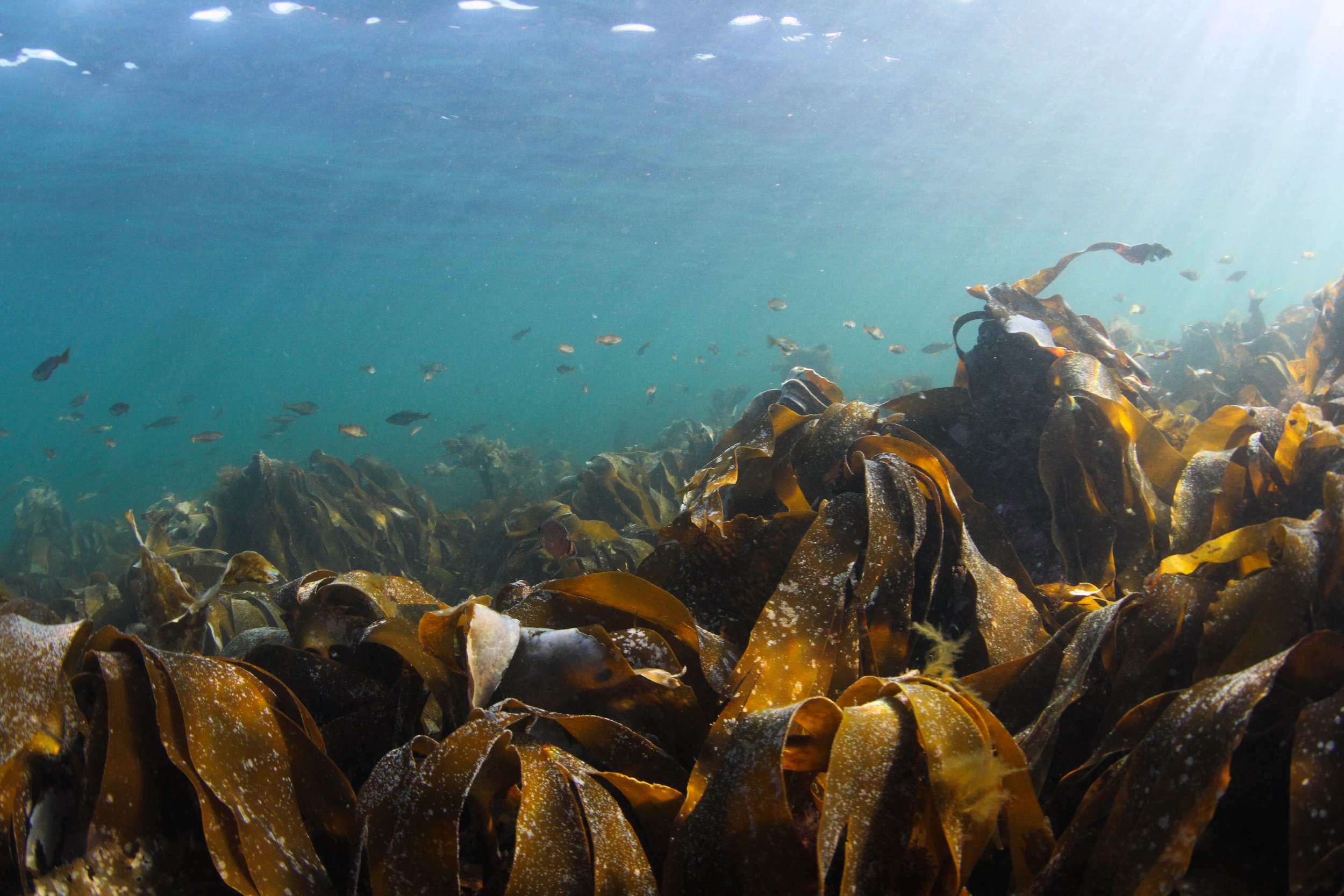
South Arran MPA. Photographer: Callum Taylor (YSCS member)
A decade of delay in protecting Scotland’s seas
Scotland’s network of Marine Protected Areas (MPAs) was first established in 2014. This marked an important step towards protecting Scotland’s seas and allowing damaged marine ecosystems to recover.
While legal rules were introduced in 2016 to restrict scallop dredging and bottom trawling in some sites, the majority of MPAs still exist in name only - more than 10 years later!
In practice, this means that many of Scotland’s most important marine habitats have remained vulnerable to damaging forms of fishing, despite repeated calls for action from conservation groups, scientists, and coastal communities.
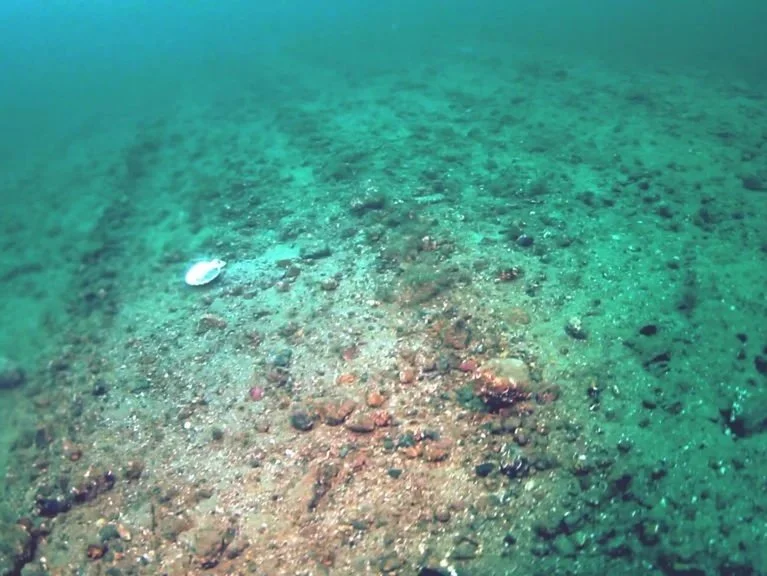
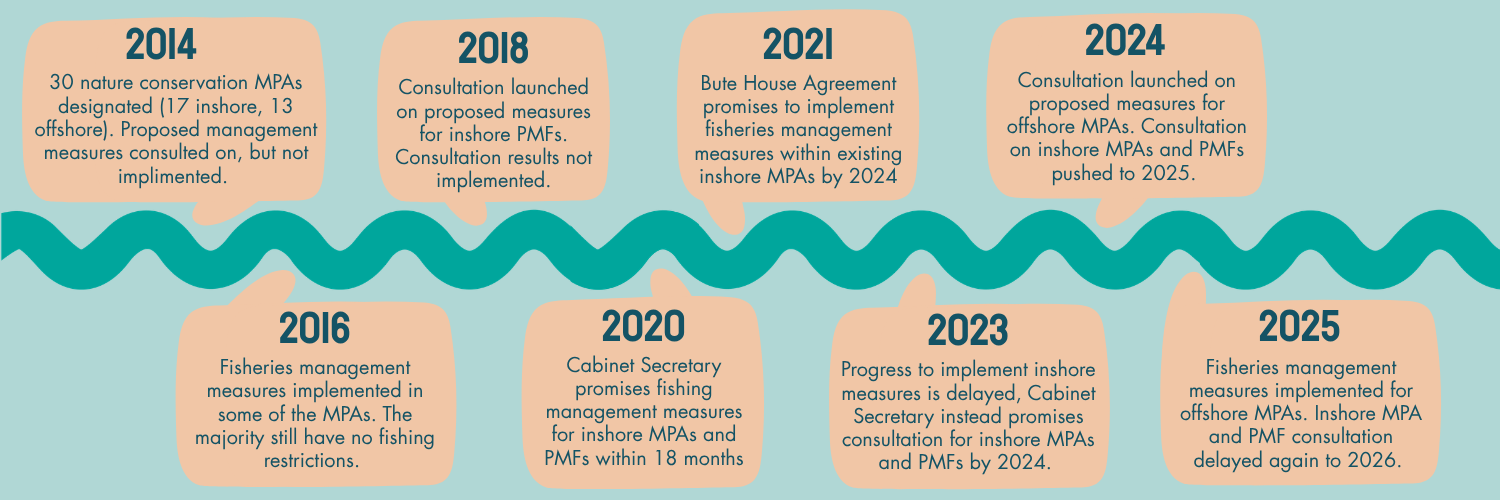
Image: A seabed showing visible dredging scars - Open Seas
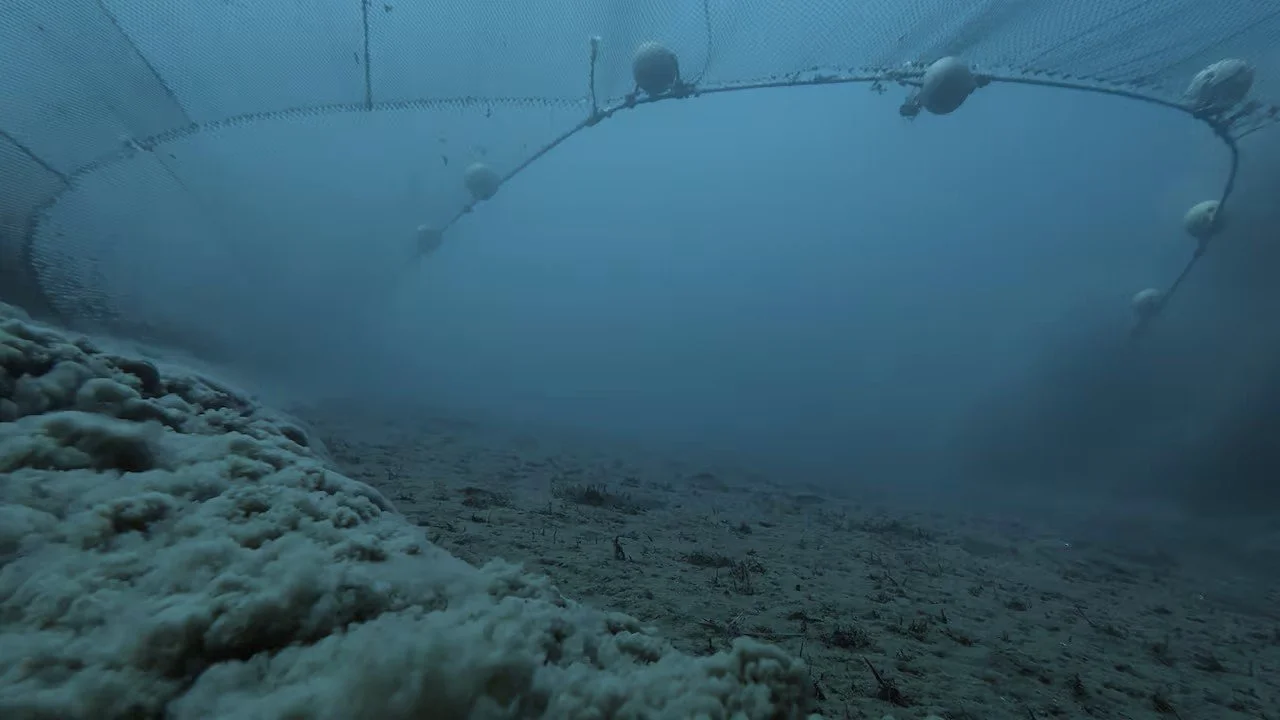
Image: Underwater footage of bottom-towed trawling - Ocean by David Attenborough
A key moment for action was expected during the last parliamentary session (2021–2026). The Scottish Government made repeated commitments to introduce fisheries management measures for inshore MPAs and PMFs (those within 12 nautical miles of the coast) by 2024, setting out what types of fishing would be allowed where.
In 2025, progress was finally made in offshore waters (beyond 12 nautical miles), where fisheries management measures were introduced for offshore protected areas. However, equivalent protections for Scotland’s inshore MPAs were delayed again until after the 2026 Holyrood election.
This long-running delay is why many young people and campaigners are now calling for urgent action to ensure Scotland’s MPAs are truly protected in practice and not just on paper.
Read more about the delays: Scottish Environment LINK- Running history of MPAs in Scotland & Scotland’s MPA network: ten years of delayed ocean conservation, Open Seas: A decade of political delay for our seas,
MPAs matter to young people
-
![]()
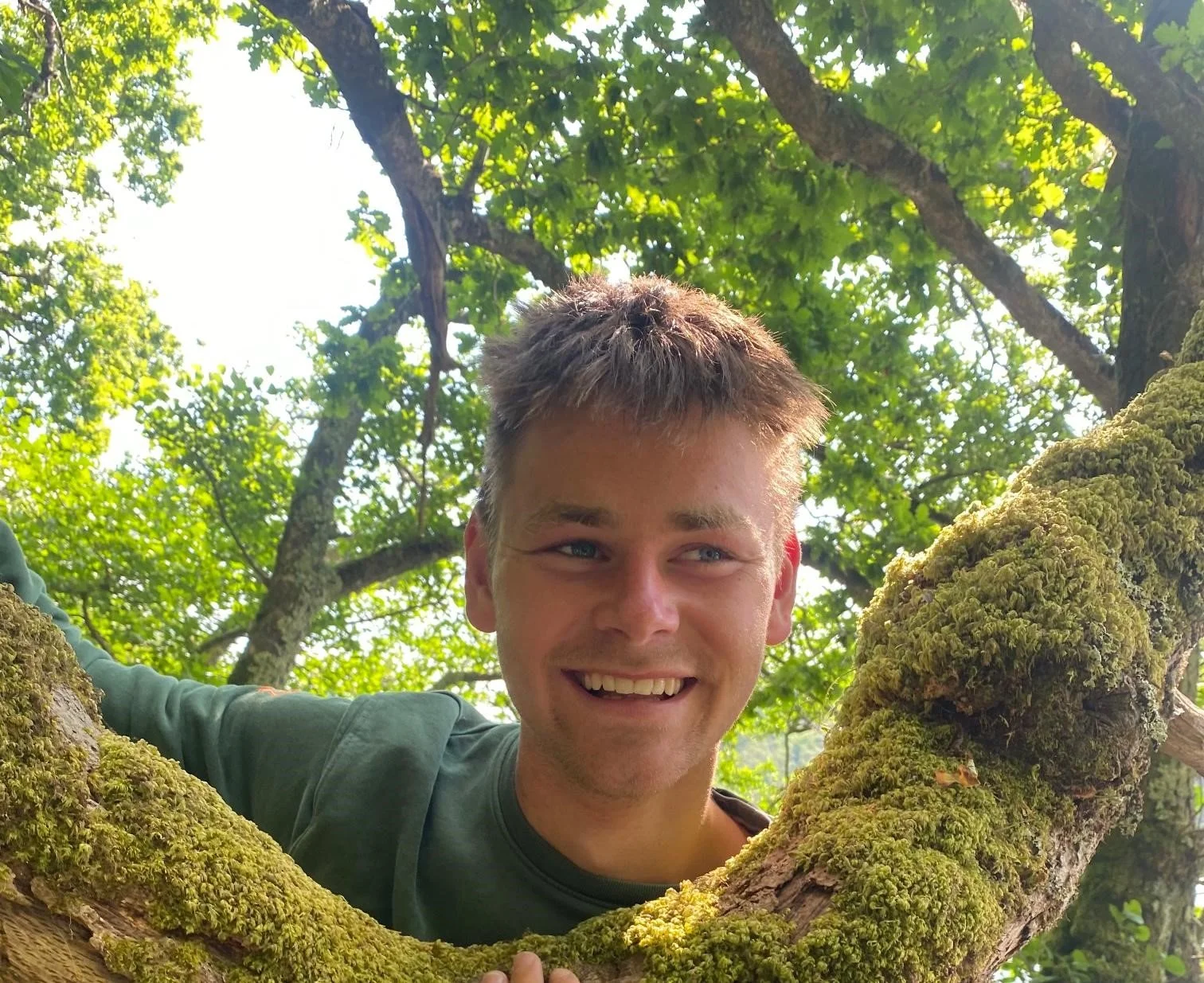
Louis Macmillan, 24, Lochgilphead
“I was fortunate to grow up in coastal Argyll, beside the Loch Sunart to Sound of Jura MPA. On occasion, we’d see trawling and dredging boats operating illegally, while just down the coast there would be regular incidents of mass salmon farm mortalities and escapes.
Aside from visits from the Hebridean and Whale Dolphin Trust, and an after school wildlife club run by volunteers, we learnt very little in school about the incredible marine world on our doorstep. Most of my friends left to the city with no knowledge of, or interest in, careers in the marine and coastal sector.
We need the Government to step up on marine protection, and embed ocean literacy in schools throughout the country.“
-
![]()
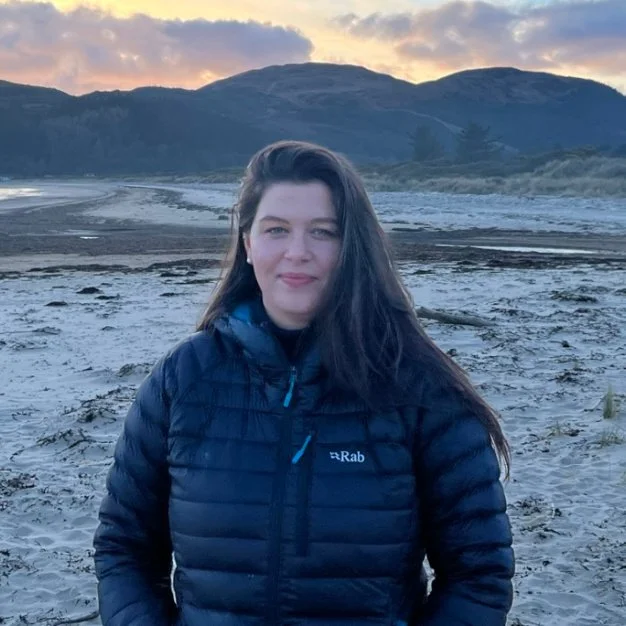
Megan Hamill, 25, Isle of Arran
“Although I grew up on an island, the ocean was always in the background until I started snorkelling and paid attention to all the life beneath the waves. Where I’m from we’re lucky to have marine protected areas with fisheries management measures in place to protect marine wildlife, this is not the case for many areas across Scotland. Continued delays from the government to deliver effective marine protection, leaves habitats and species at risk. Our generation will inherit the consequences of these delays. To ensure a positive future for our seas we need effective protection for the marine environment in place today.”
-
![]()
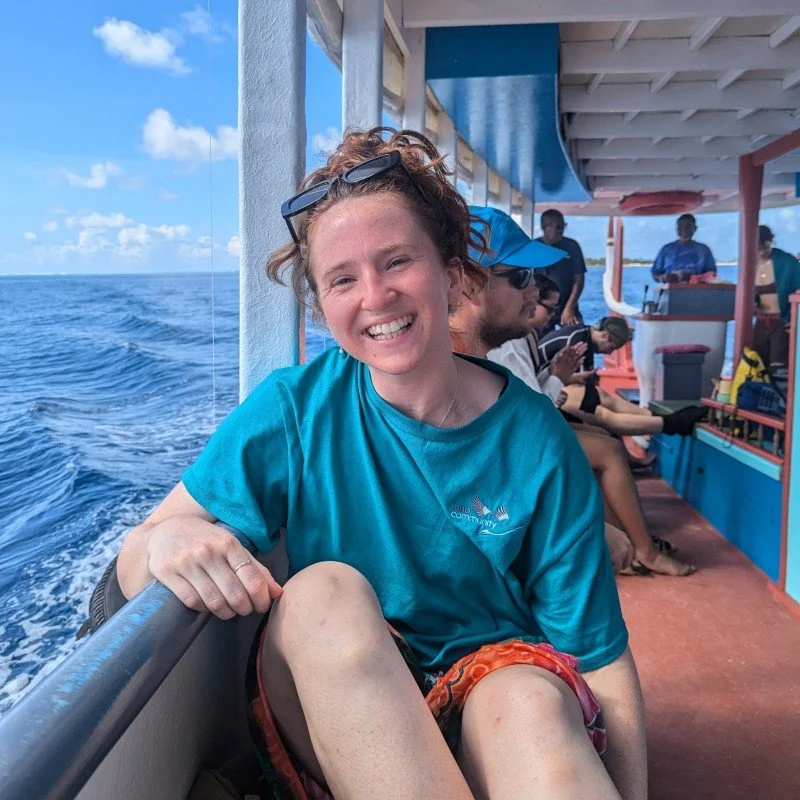
Lorna Farquhar, 24, Ardfern
“I didn’t grow up on the coast. I grew up in a small village tucked into the edge of the Highlands, surrounded by mountains, vast floodplains, and the kind of rivers and burns that shape your childhood without notice. My summers were filled with chasing the burns downstream, wondering where they led to, filling my wellies with fresh mountain water as juvenile brown trout darted between the stones.
That source-to-sea connection is something we rarely talk about in Scotland. We are an island, yet we often behave as if the ocean is distant or belongs only to coastal communities. But every river, every burn, every drop of rain eventually reaches the sea. Whether we live inland or on the shoreline, we are part of the same system, and that system depends on a healthy ocean. MPAs are one of the few tools that protect this connection.
You don’t need to grow up on the coast to care about the sea. MPAs matter to me because they protect the whole story, from source to sea, for all of us.”
-
![]()
Caitlin Turner, 25, Darvel
“Marine Protected Areas, to me, are a beacon of hope, but only if management is implemented and effectively enforced to actually provide protection to the species and habitats within them. They work! The incredible thing about the ocean is that it has an incredible capacity to recover, if it’s allowed to do so. And when we take action to let it do so, entire ecosystems can rebound with as much colour and life as they had before it was lost to damaging activities. We’ve seen it happen across the world, even in our home seas! So my question to the Government is this: what kind of seas do you want our young people to inherit? Because the decisions you make and the actions you do or do not take to protect the ocean will determine this. We are fighting for our seas and for our future. Are you listening?”
-
![]()
Thomas Bridier, 23, Edinburgh
“Having grown up by the ocean, my passion for marine life and conservation has always been a part of who I am. This passion led to me studying Marine Biology, but I knew I always wanted to explore how change is actively brought forth, which is when I took interest in marine policy and environmental law. This interest in marine conservation through policy influenced both my undergraduate and postgraduate dissertations, in which the latter fully focused on MPA’s and how they can be used as policy tools to address international law concerns.
Had I not developed an interest in MPA’s, my own knowledge of their importance would not be where it is at now. We urgently need the Government to take action when it comes to ocean literacy, and marine protection and conservation.”
-
![]()
Balqis Sani, 25, Edinburgh
“I started learning about MPAs through my Master's, where my interest in the marine environment really took off — especially through my own analysis of how effective MPAs actually are at supporting fish abundance. Seeing what proper protection can do made it clear how much is at stake when enforcement doesn't follow through. It's what pushed me to want to be part of the fight for stronger protection, not just the research behind it.”