
A young person's guide to making your politicians work for you
Scotland has a new Parliament, which means we have new MSPs (Members of Scottish Parliament) representing us. Whether they're brand new to Holyrood or returning after the election, now is one of the best times to start building relationships and your opportunity to put marine issues on their radar.

All 129 Members of the Scottish Parliament for Session 7. Source: Scottish Parliament Instagram.
The 7th Scottish Parliament
Scotland's 7th Parliament looks quite different from the one before it. More than half of MSPs are new to Holyrood, making this the biggest intake of new representatives since the Scottish Parliament was reconvened. The election brought shifts in party representation and a younger Parliament overall, with around a quarter of MSPs under 40. While many faces are new, plenty of MSPs bring experience from local government, Westminster, or other public roles. This mix of fresh perspectives and political experience means there are lots of opportunities to build new relationships and help shape the issues that MSPs champion over the next five years.
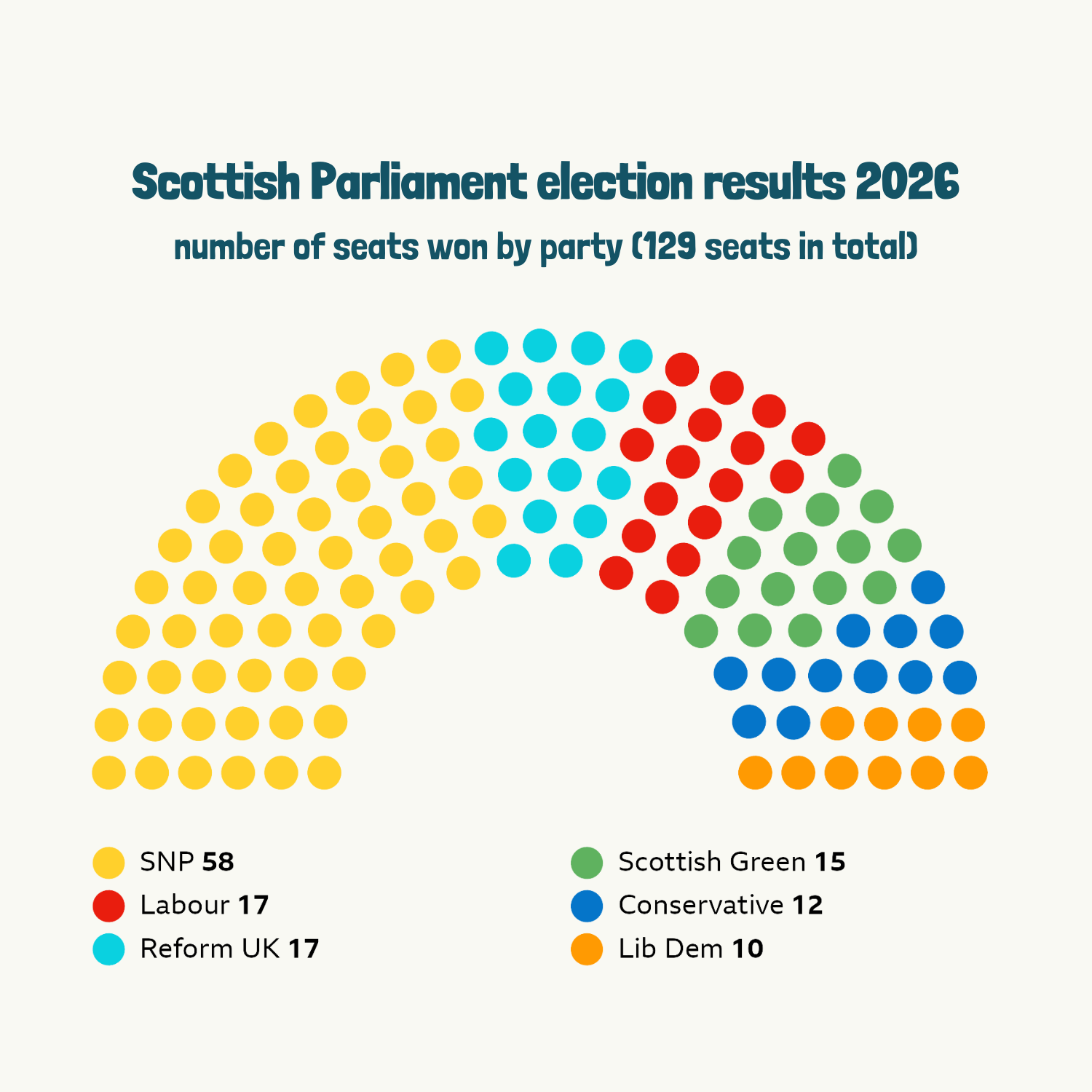
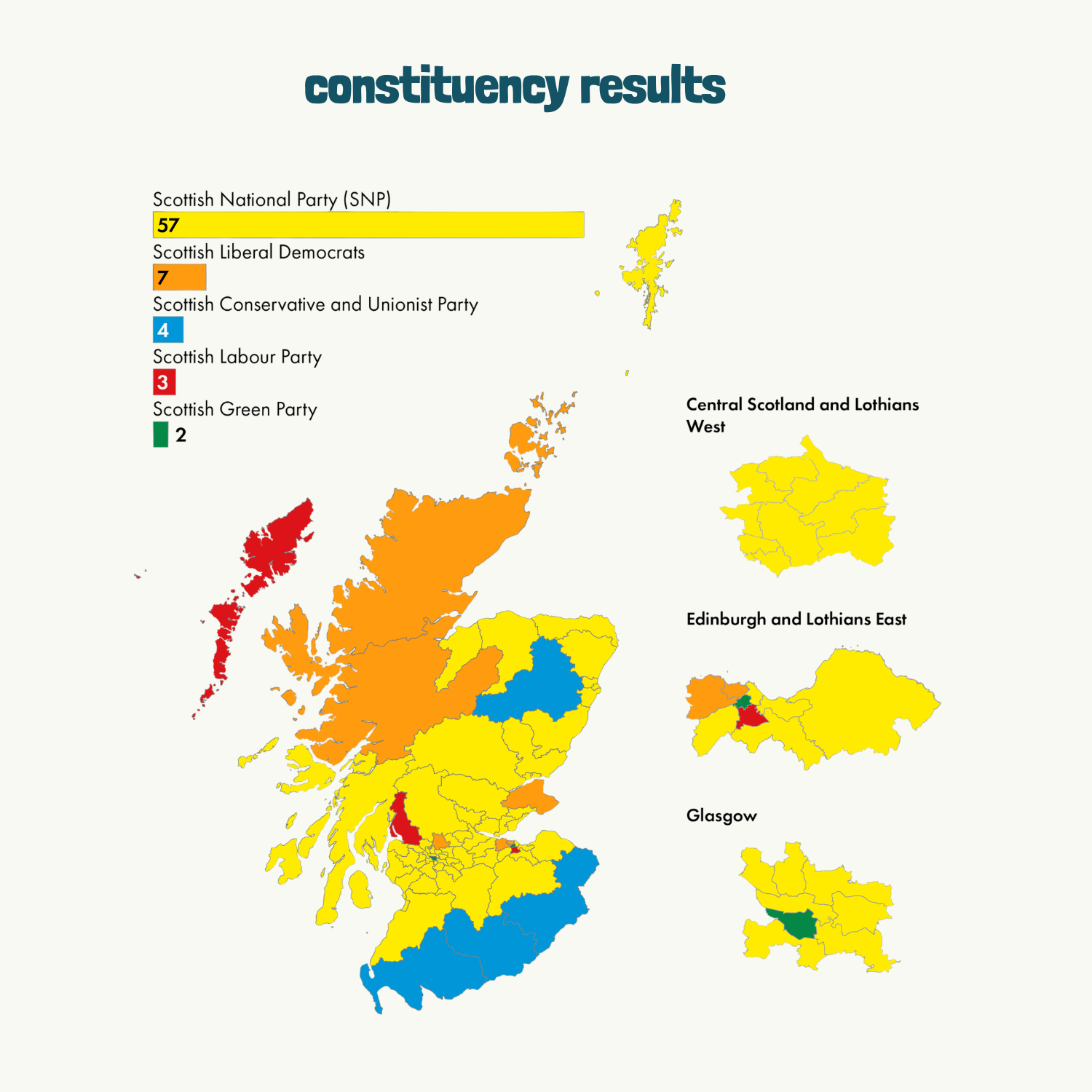
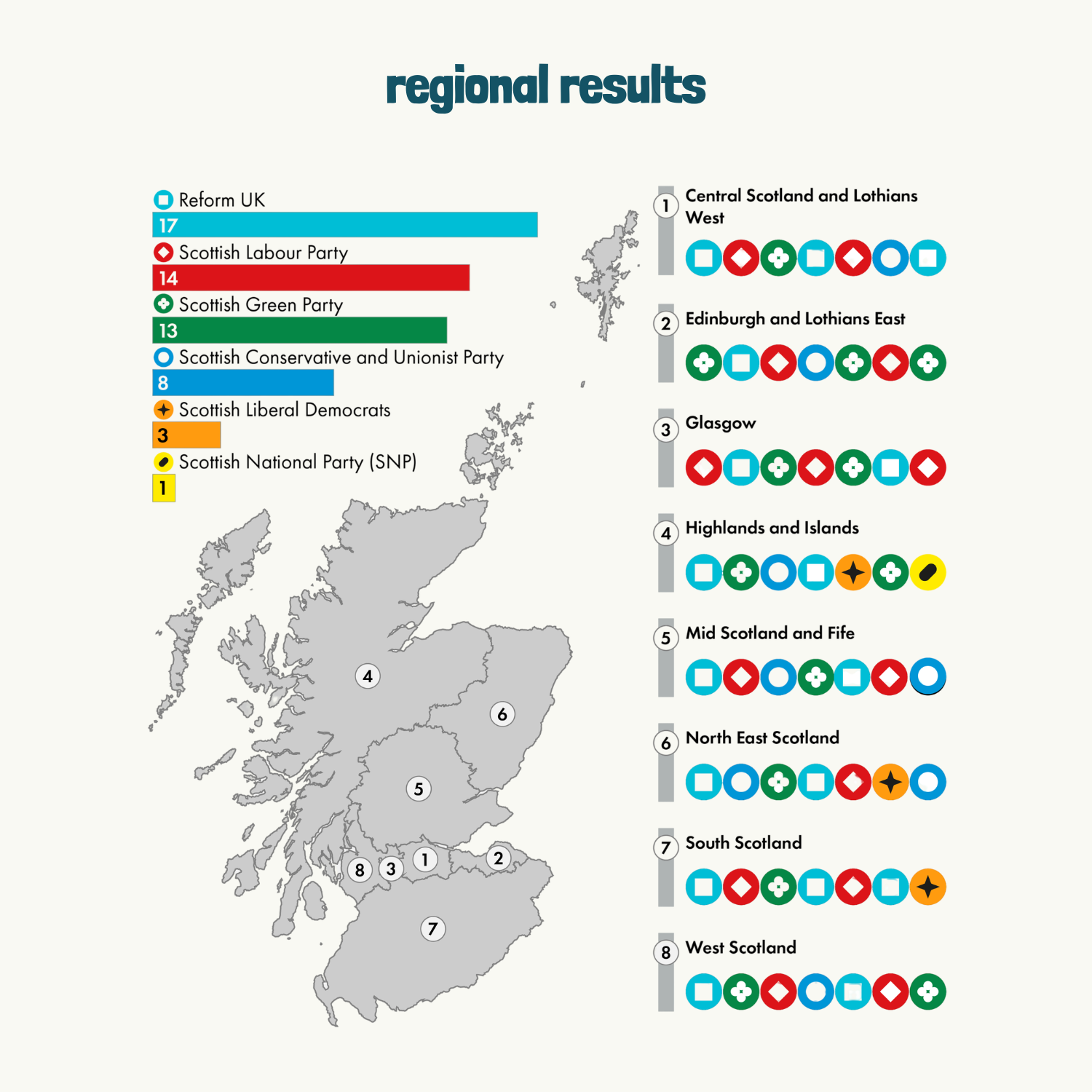
SNP remained the largest party with 58 seats but fell short of the 65 needed for an overall majority, meaning it will govern as a minority administration and work with other parties to pass legislation. For a fuller breakdown of the election results, check out this briefing on the Scottish Parliament website. To understand how Scotland’s voting system works, have a look at our Guide to Voting in the Scottish Elections.
Why now?
Being a MSP is a job, and you are the boss! New MSPs are still finding their feet in their roles. They're deciding what issues they want to champion, getting to know the communities they represent, and building relationships with local organisations. Even experienced MSPs are often looking for fresh ideas and new perspectives after an election. For campaigners, that means your voice can have more impact NOW than you might think. The conversations you have now could shape how an MSP thinks about marine conservation, coastal communities or climate action throughout the next 5 years of this parliamentary term.
You don't need to be an expert
One of the biggest misconceptions about speaking to politicians is that you need to know everything. You don't. MSPs want to hear from the people they represent. Your experiences of your local beach, favourite snorkelling spot, community clean-up, or concerns about marine pollution are just as valuable as statistics. Personal stories help bring issues to life. If you do have evidence or examples to support your point, even better - but don't let a lack of technical knowledge stop you getting in touch.
Keep it local
Many MSPs have strong ties to the areas they represent; that means local examples matter. While you may be writing to your MSP about a national issue, make sure that you convey how this issue matters to your specific constituency or region.
Example: You are writing to your MSPs about the need for stronger marine protection. Instead of talking about "the marine environment" in general, think about:
a beach you care about
wildlife you've seen locally
the importance of healthy seas for you and your community
MSPs have a lot on their plate and are being pulled in many directions, so showing why an issue matters to people in their constituency makes it easier for an MSP to take notice.
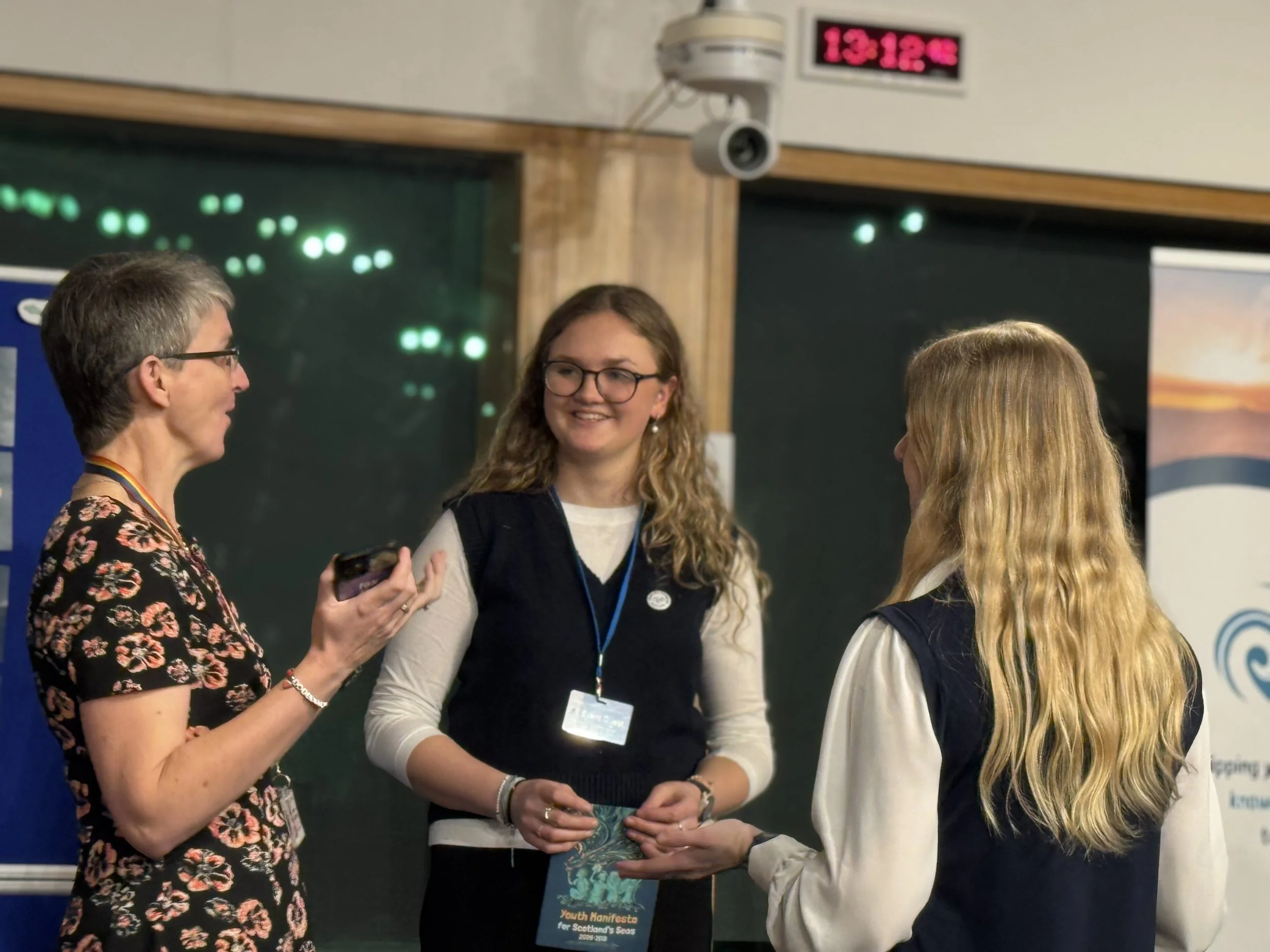
YSCS members Caitlin Turner and Issie Jeffrey talking with MSP Maggie Chapman during a parliament drop-in event
So... how do you actually engage an MSP?
There are many ways to engage with your MSPs. You could:
Attend one of your MSP's local surgeries.
Invite them to visit a beach clean or community event – anything to get them out the office and interacting directly with the issue you’re talking about.
Send a short email explaining why marine conservation matters to you.
Visit them at parliament - you can attend debates, committee meetings, and public events
Tag them in social media posts about local issues you care about
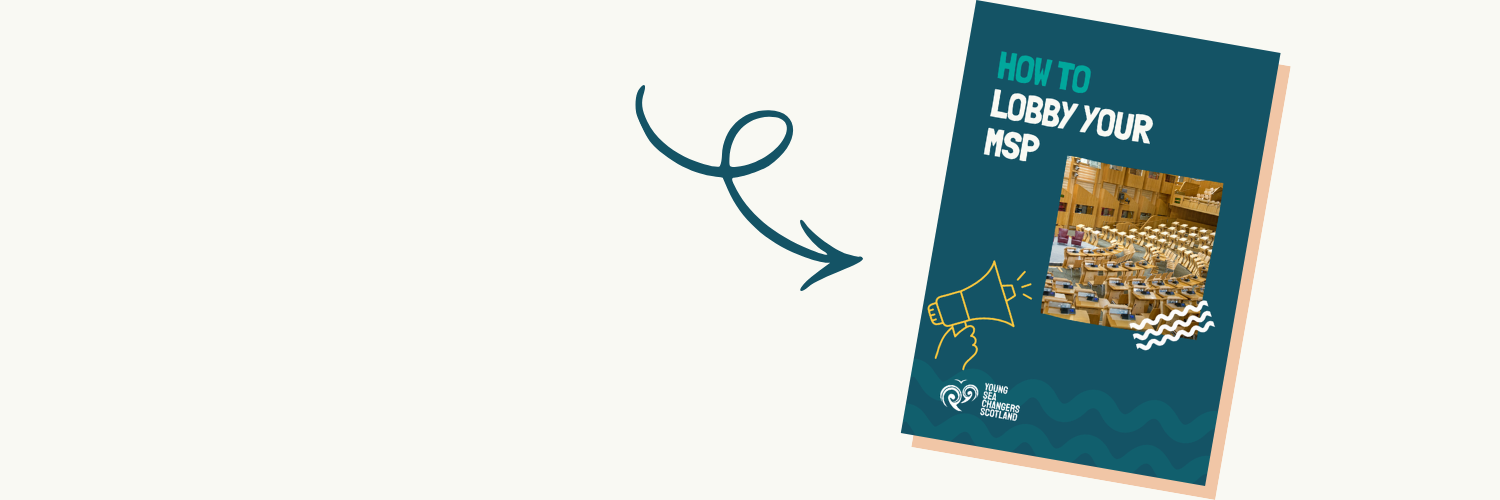
Check out our toolkit: How to Lobby your MSP
Think beyond one conversation
It's easy to focus on getting a meeting, but that's only the beginning. It’s important to build a relationship with your MSPs. One conversation rarely changes everything, but staying in touch can.
Here are some important tips to remember:
Have a clear ask - your MSP can only do their job if they know what you are asking for, so make sure that you have a clear action for them when you get in touch. This could be something like asking a Parliamentary Question or speaking to a Scottish Minister on your behalf.
Explain why it matters - Try to decide on three main points to support your ask and show why your issue matters. You don't have to be an expert to lobby your MSP. Just grasp the main points of the issue, and if your MSP asks for detailed info later, you can provide sources.
Do your research - Find out what your MSP is passionate about and which committees they're on. Relate your topic to their interests and roles. The more you show you've done your homework, the more likely they are to listen and support your cause!
Follow-up - MSPs have conversations about a wide range of issues every day, so sending a short email afterwards to thank them for their time and recap what you discussed can help keep the conversation fresh in their minds and make it easier to pick up where you left off.
Keep them in the loop - If there's a relevant news story, a campaign update or an exciting achievement, send it their way. You could email them directly or tag them in a social media post to keep the conversation going.
See our template email for sharing the Youth Manifesto for Scotland’s Seas with your MSPs.
Your voice matters
Whether you've volunteered on a beach clean, taken part in citizen science, campaigned for healthier seas or simply care deeply about Scotland's coast, you have something valuable to share. MSPs work for YOU, and they need to hear from people who experience the issues they're making decisions about. So don't wait; introduce yourself, tell your story, and help make sure Scotland's seas have champions in Parliament.
Need help contacting your MSP for the first time? Feel free to email us at contact@youthforseas.org for support.