
Written by YSCS member Lorna Mhairi Farquhar for The National
As an island nation, Scotland’s coastlines are part of who we are.
Think about the rockpools you explored as a child, the bay where you skimmed stones, the pier where you learned to fish, the vast stretch of sandy shore that your dog goes wild for or even the beach your granny took you for a 99 flake. These places aren’t just picturesque, they are woven into our identities, memories and heritage.
But beneath the waves, and out of sight for most, we have let these places down.
For nearly a century, from 1889 until 1984, Scotland protected its inshore waters with the three-mile limit. It kept heavy industrial trawling away from fragile habitats, protected nursery grounds, supported local low-impact fisheries and allowed marine ecosystems to flourish. Then in 1984, that protection was removed, and ever since, destructive fishing practices have crept closer and closer to shore.
The consequences are now impossible to ignore. Our inshore ecosystems are under relentless pressure from bottom-towed fishing gear. Places that should be refuges for wildlife, hammered continuously by bottom-towed gear until they are fragmented and entirely degraded. Protections eroded. Opportunities missed. And a coastline that looks nothing like the one my parents inherited as children.
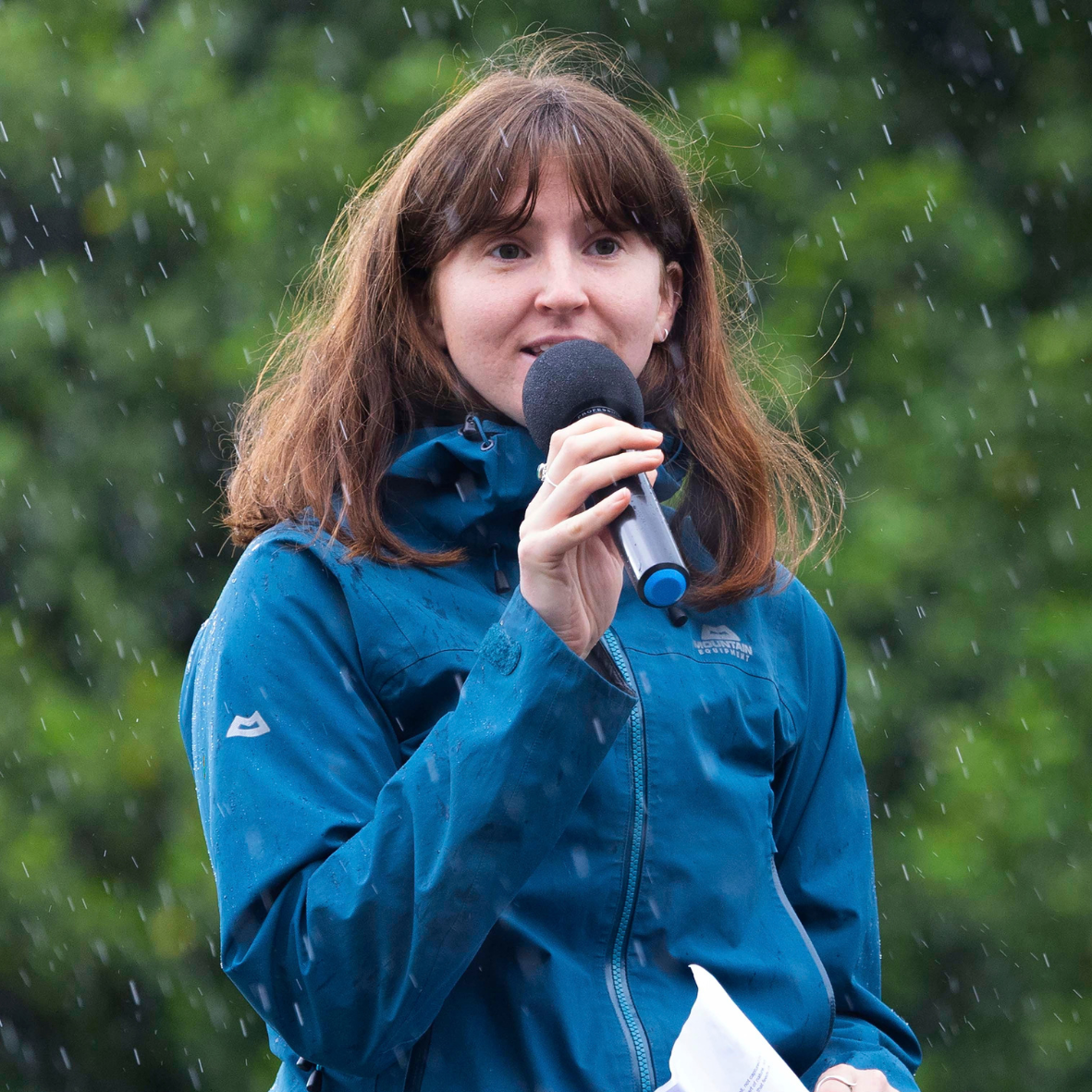
I am 24. If we continue on this trajectory, my generation may never know the abundance that once defined Scotland’s seas nor experience the richness that has shaped our coastlines for centuries.
But here’s the truth: we are not stuck with this story. Scotland now stands at a turning point.
Our inshore waters could be the catalyst for ocean recovery. They should be the places where juvenile cod grow, where native oyster beds rebuild, where carbon-rich seagrass meadows thrive, and where humans benefit from healthier, resilient seas.
We know this recovery is possible, because we have seen it before. When bottom trawling is removed from the equation, marine life rebounds dramatically. Fish stocks return. Seabed habitats recover. Coastal economies strengthen.
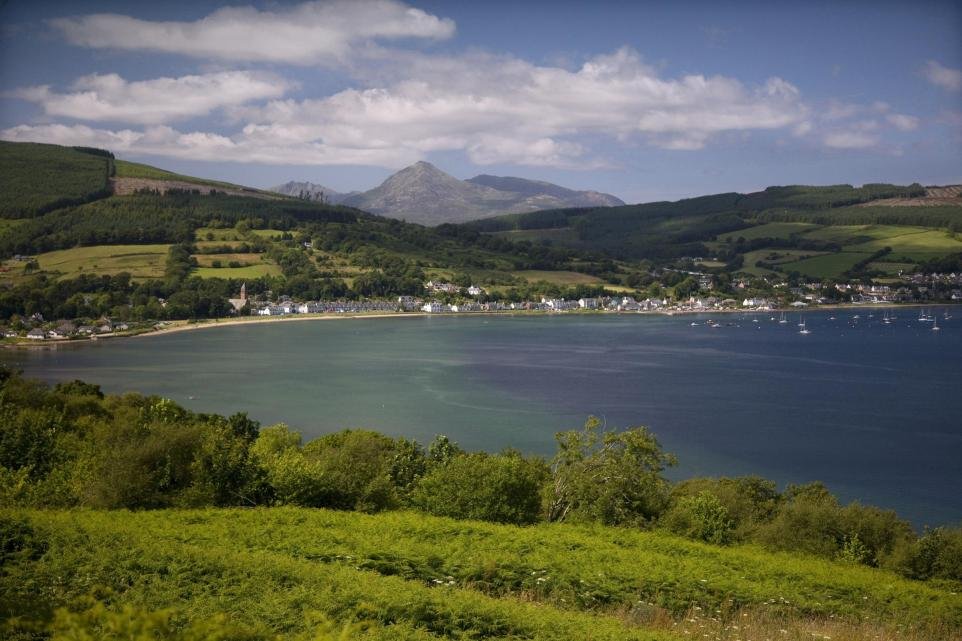
In Lamlash Bay, Scotland’s first community-led No-Take Zone, marine life is healing now that bottom-towed gear has been removed. Scallops have increased in size and abundance, seabed habitats are richer, and there is a clear spillover effect into surrounding waters, studies have shown.
And in Wester Ross MPA, recovery is slowly progressing even after setbacks. A 2026 study documented how, following an illegal trawling incident, the damaged seabed began to rebound once protection was reinstated. After five years, diversity and species abundance have improved, whilst the community structure is yet to fully recover.
This example only further highlights the need for comprehensive enforcement of protection measures.
Right now, the Scottish Government is asking us how Best to manage fishing measures within inshore Marine Protected Areas and Priority Marine Features. This 16-week consultation must not be another bureaucratic exercise.
It is a once-in-a-generation chance to decide whether we want our seas to be thriving and abundant again, whether we want future generations to inherit something better than a seabed covered in scars.
And let’s be clear: the ocean is ready to recover. It has an astonishing ability to heal when we give it the space to do so. When bottom trawling is removed from sensitive areas, nature rebounds.
So the question is simple: do we seize this moment, or do we let it pass?
Scotland has led before and we can lead again. And this time, we can do it backed by evidence, with local voices, and with a clear understanding of what is at stake. Our seas deserve better. Our local fishermen deserve better. Our young people deserve better.
This is our chance, likely the only one we will get in a generation, to protect Scotland’s inshore waters and set them on the path to recovery. Let’s take it.
We can choose to protect the places that shape us. We can choose to protect the wildlife that depends on these waters. We can choose to rebuild abundance for future generations.