Policy, confidence and science communication: YSCS Traineeship wrapped!
By Balqis Sani, Young Sea Changers Trainee 2026
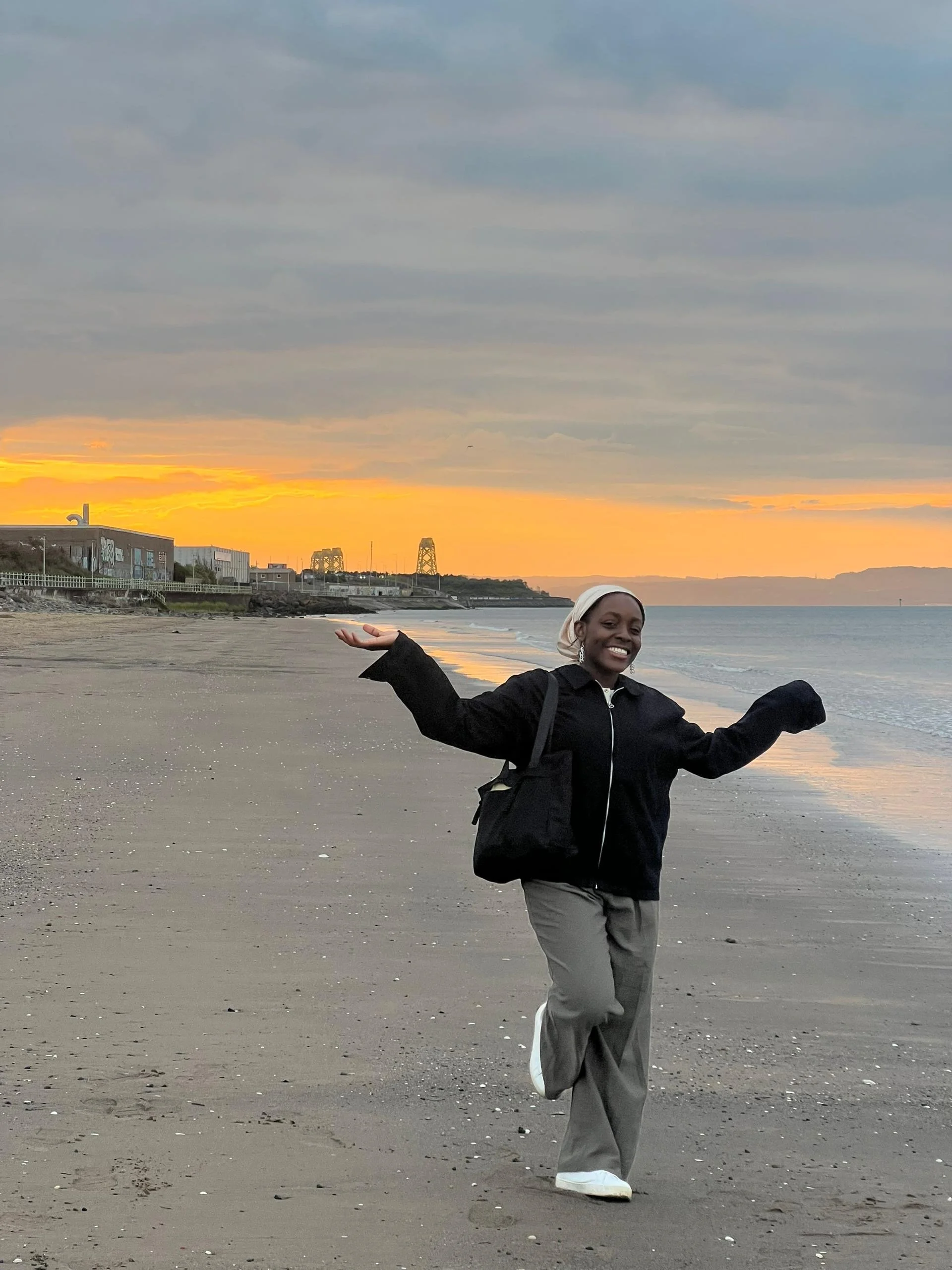
Image: Balqis on Portobello Beach, Edinburgh
What was your biggest takeaway from the traineeship?
My biggest takeaway from the traineeship is that we, as young people, have more power to influence marine policy than we might realise, and that making complex ideas accessible is an important part of that. I had the opportunity to learn from different perspectives on marine issues through the Young Persons Policy Group, and engage with marine professionals through networking calls. During the traineeship, I developed a personal policy project where I focused on the Arrochar litter sink and gained a greater understanding of the scale of marine litter and the challenges it creates for the marine environment and local communities. Seeing the scale of the issue and the impact it has on communities reinforced for me how important it is to make environmental issues understandable and give people opportunities to engage with them. Making environmental issues more understandable and accessible is something I hope to continue developing throughout my career.
Were there any parts of the traineeship that surprised you?
I was surprised when I learnt how long the gap can be between a policy proposal and its implementation. As part of my project, I mapped Scotland’s single-use plastic measures to explore how different policies have developed and progressed over time. I presented this as a visual-led policy brief, and through this, I saw how some policies can take several years to move from being proposed to being put into practice.
I had always thought policy-making was a relatively quick process, where an idea could move fairly quickly from being proposed to being implemented. I realised that it is much more complex, involving delays, revisions and different stages before a policy can actually take effect. It made me realize how important it is for environmental policies to keep pace with the problems they are trying to address.
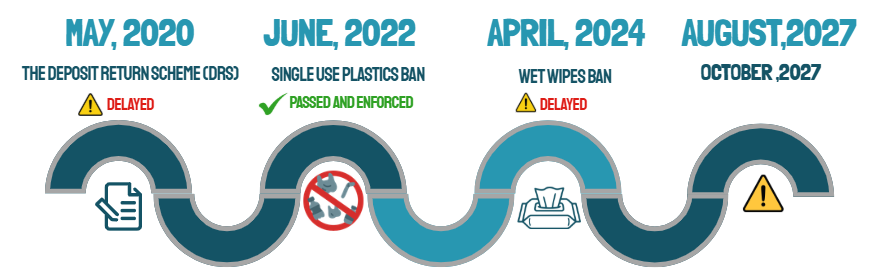
Image: Timeline of plastic policy developments from Balqis’ project
Were there any aspects of the traineeship you found challenging? If so, what did you learn from them?
One challenge I initially faced was speaking up and contributing to discussions, particularly in meetings with other young people and marine professionals who had more experience in the sector. I also found networking with professionals in the field difficult at first, as I was not always sure how to approach conversations or what I could contribute as someone who was still developing my knowledge of the marine sector.
However, this was something I gradually grew into. As I became more familiar with the topics being discussed, I gained confidence in my own knowledge and experience. I became more willing to share my thoughts and more comfortable having conversations and asking questions when networking with professionals. It taught me that I do not need to know everything before having something valuable to contribute.
Tell us about your personal policy project.
My project focused on the Arrochar litter sink and was designed as a visual-led policy brief - read it here! I wanted to explore what happens when plastic accumulates in one particular place, so I looked at the environmental and potential human health impacts, the types of single-use plastics found there, and the Scottish policies that have been introduced to tackle plastic pollution.
I also created a timeline of the policies, which helped me highlight how delays in implementing protections can leave local communities and ecosystems exposed to the impacts of plastic pollution. Based on what I found, I also included recommendations and potential actions that could help improve the situation.
I built my graphic design and communication skills by developing the project in Canva. I aimed the brief at a general audience, particularly people who may not have a science or policy background. I wanted the brief to make the issue easier to understand and show how a visible local problem connects to wider environmental and policy issues.
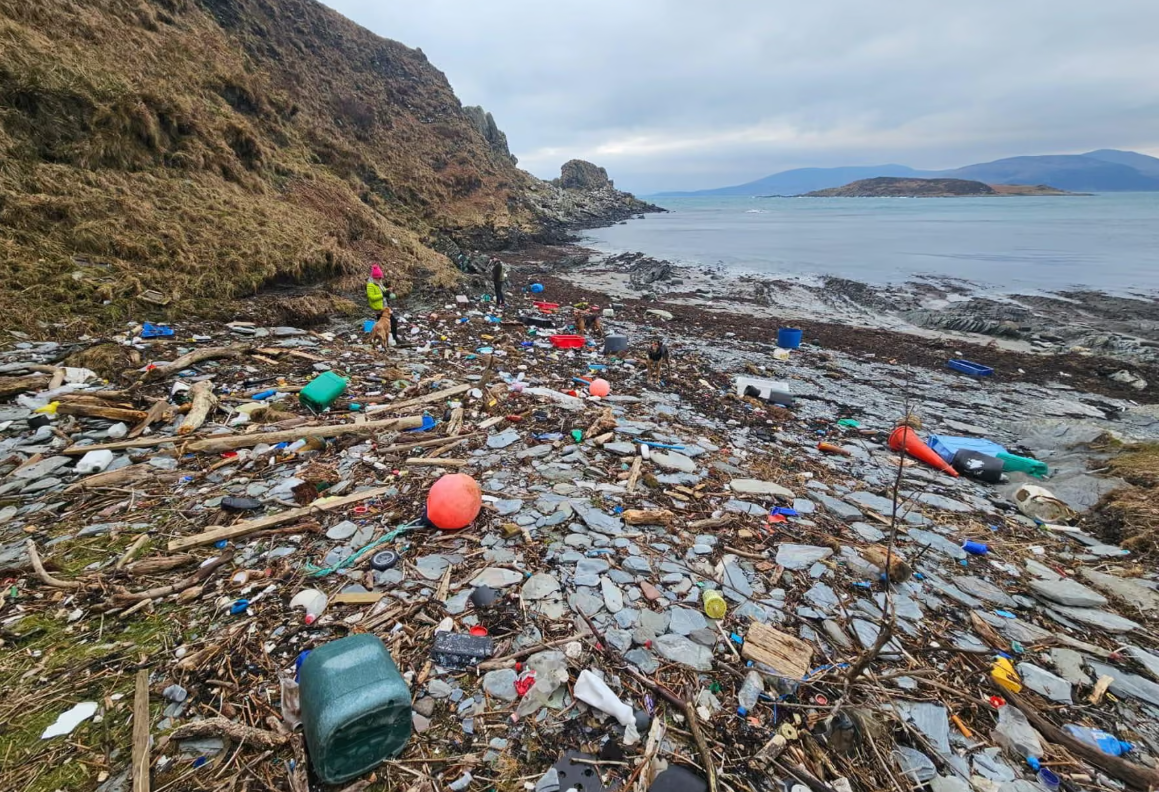
Image: Marine litter on the Isle of Jura, photographed by YSCS Member Tabby.
What’s next for your journey in marine policy?
I’d like to pursue a career in science communication. During the traineeship, I realised how much easier complex marine concepts can become when they are broken down and communicated in a more engaging way. That made me interested in exploring how this can be applied not only to marine science, but to wider environmental concepts as well.
There is so much important environmental science and policy, but the language can sometimes make it feel inaccessible. I’d like to develop my ability to communicate these ideas in a way that is clear, engaging and relatable, particularly for young people. That is something I want to continue exploring as I work towards becoming a science communicator.
Any final thoughts on the traineeship?
Overall, I really enjoyed the traineeship and found it to be a valuable learning experience. It gave me a better understanding of how marine policy works in practice, while also helping me develop my confidence in communicating and engaging with others in the sector. I particularly valued the opportunity to learn from different perspectives, connect with marine professionals and work on a project that allowed me to explore an issue I found interesting. The experience has strengthened my interest in marine conservation and environmental policy, and I hope to carry the skills and knowledge I gained from the traineeship into my future career.
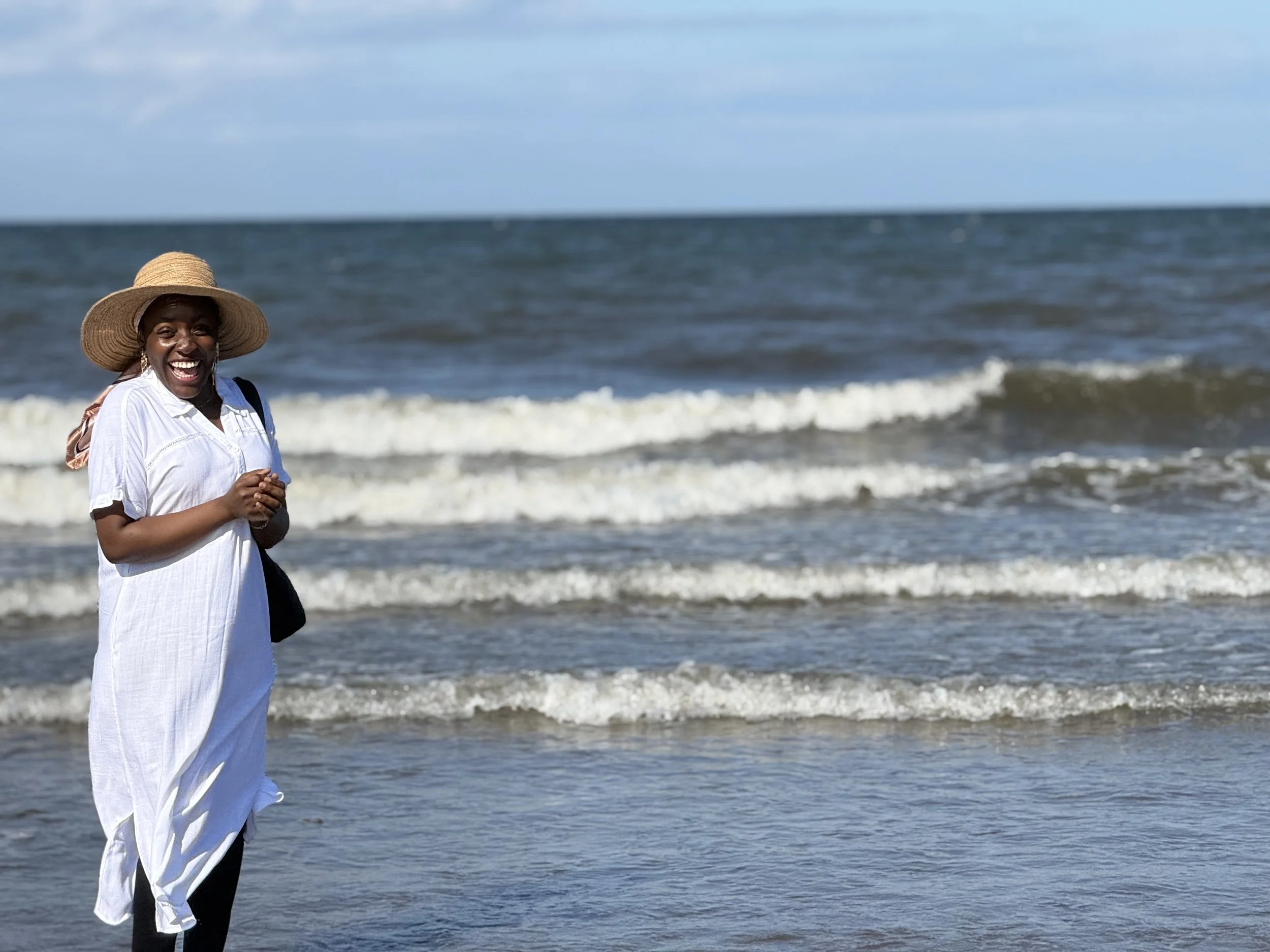
Image: Balqis on the beach!